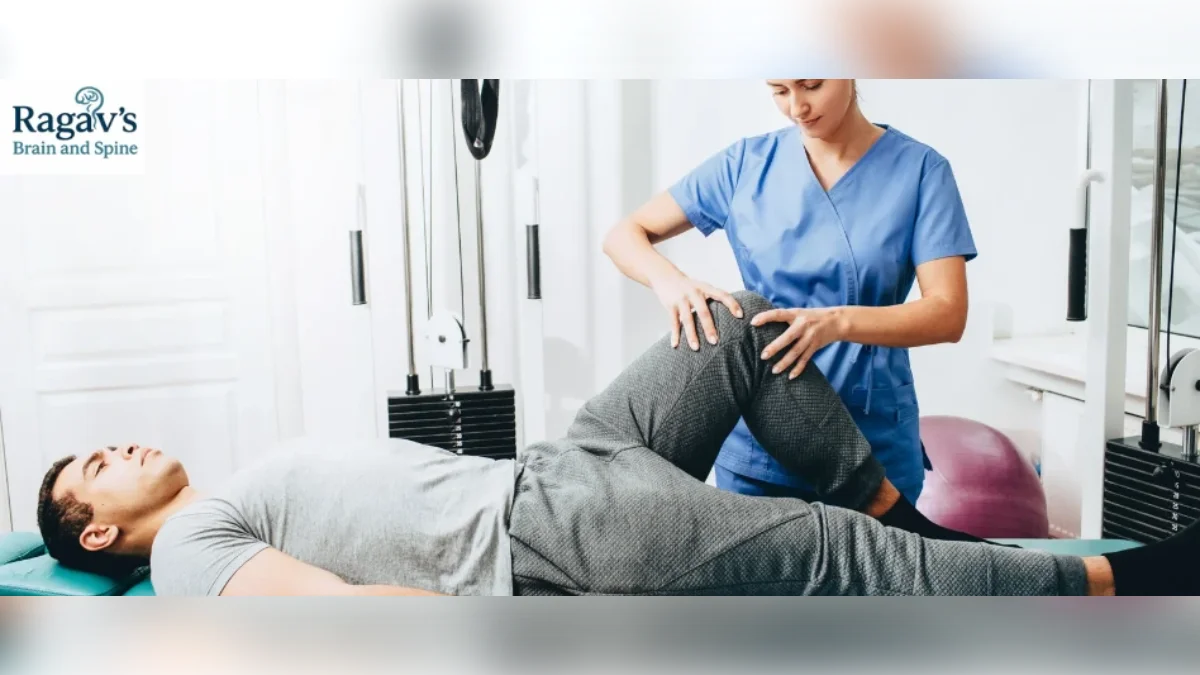
Knee pain is often treated as a single, straightforward problem: rest it, ice it, maybe strengthen the muscles around it. In practice, the knee is a joint that takes load from the hip and the ankle as well as its own structures, which means knee pain frequently has very little to do with the knee itself.
A proper assessment spends as much time checking how a person moves overall as it does examining the joint directly. Skipping that broader check is one of the most common reasons knee pain treatment fails to produce lasting results, particularly for patients seen in and around Whitefield who have often already tried generic knee exercises without success.
Why Knee Pain Is Rarely Just About the Knee
The knee sits between two joints, the hip and the ankle, that both have a direct influence on how load passes through it. For example, someone with weak hip muscles may allow their knee to collapse slightly inward every time they climb stairs, which over time irritates the tissue around the kneecap even though the hip, not the knee, is the actual source of the problem. Treating the knee alone in a case like this, through rest or knee-focused exercises only, tends to bring temporary relief at best, since the underlying cause was never addressed.
What a Proper Knee Assessment Actually Involves
Checking the Whole Movement Chain
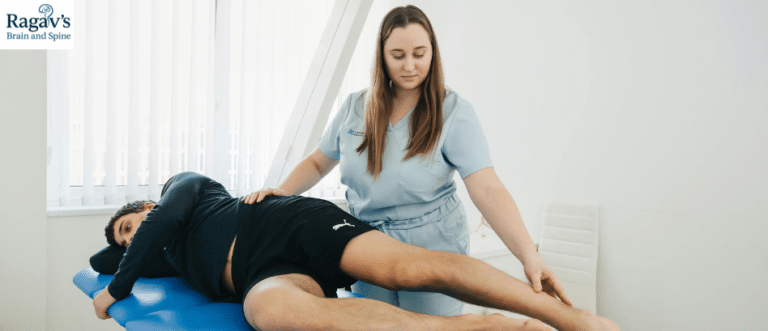
Before testing the knee directly, a physiotherapist typically watches how a person walks, squats, and climbs a step, looking for compensations elsewhere in the body. A person who leans their upper body to one side while climbing stairs, for instance, may be unconsciously shifting weight away from a knee that already hurts, which then creates its own secondary issues in the hip or lower back over time.
Testing the Kneecap and Surrounding Tendons Specifically
A large proportion of knee pain, particularly in younger or more active patients, comes from the kneecap tracking slightly off its normal path, or from tendons around the knee being overloaded through repetitive activity. This is tested through specific movements that load these structures individually, rather than general bending and straightening, since general movement alone often does not reproduce the exact pain pattern a person is describing.
Distinguishing Wear and Tear From Active Inflammation
Knee pain in older adults often gets automatically labelled as arthritis, when in reality the picture is usually more specific than that single label suggests.
Osteoarthritis: What It Actually Means and What It Doesn’t
Osteoarthritis refers to gradual wear of the cartilage that cushions the knee joint, and it is extremely common, showing up on scans in a large number of people who have no significant pain at all. This is an important distinction, since a scan report mentioning osteoarthritis does not automatically explain why a particular person is in pain right now, or mean that surgery is the inevitable next step.
For example, two people in their sixties can have very similar looking knee scans, with one experiencing significant daily pain and the other having almost none, because pain in osteoarthritis is driven as much by muscle strength, movement pattern, and overall joint stability as it is by how much cartilage has worn down.
Why Rest Often Makes Knee Pain Worse, Not Better
A common instinct with knee pain is to avoid using the joint as much as possible, assuming this protects it. In most cases involving osteoarthritis or general mechanical knee pain, this approach backfires, since the muscles supporting the knee weaken further with inactivity, placing even more strain on the joint itself during the movements that cannot be avoided entirely, such as standing up or using stairs.
Structured, guided movement almost always outperforms complete rest for these cases, which is counterintuitive to most people experiencing pain for the first time.
When Knee Pain Needs More Than Physiotherapy
Not every case of knee pain is suited to physiotherapy alone. Sudden severe swelling, a knee that gives way or locks unexpectedly, or an inability to bear any weight at all following an injury usually points toward a structural issue, such as a ligament or meniscus tear, that needs imaging and a specialist opinion before physiotherapy begins.
In cases connected to a broader neurological picture, such as balance issues affecting how someone walks and indirectly loading the knee unevenly, this is assessed alongside balance disorder treatment rather than treating the knee in isolation.
How This Looks in Practice
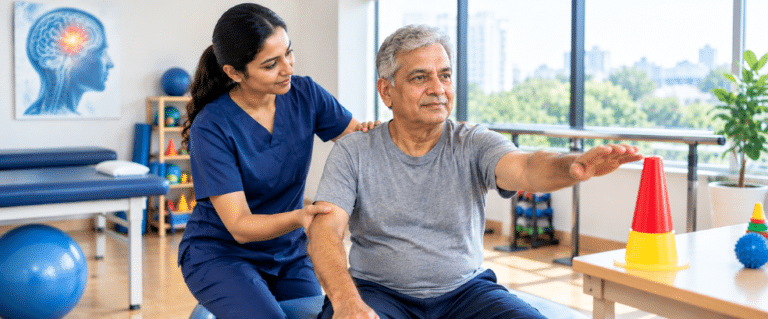
A common scenario involves someone in their fifties or sixties who has been told they have knee osteoarthritis and assumes physiotherapy will simply mean gentle stretching. On proper assessment, the actual limiting factor often turns out to be significant weakness in the thigh and hip muscles rather than the joint itself being the primary problem.
A treatment plan built around targeted strengthening, rather than generic gentle movement, in a case like this frequently produces a level of improvement the person did not expect from what they assumed was simply age-related wear and tear.
Frequently Asked Questions
Does knee osteoarthritis always need surgery eventually?
No. Many people manage osteoarthritis long term through physiotherapy, appropriate activity modification, and strength work, without ever needing surgery. Surgery is generally considered when pain and function remain significantly limited despite a proper course of conservative treatment.
Should I stop exercising completely if I have knee pain?
Generally no, though the type of activity may need to change. Complete inactivity often weakens the muscles supporting the knee further, which tends to worsen pain over time rather than protect the joint.
Why does my knee pain get worse on stairs but not on flat ground?
Stairs place significantly more load through the knee and require more control from the surrounding muscles, particularly the hip and thigh muscles, than walking on flat ground. This is a common pattern that usually points toward a strength or movement control issue rather than a purely structural one.
Can weak hip muscles really cause knee pain?
Yes. The hip controls how the leg aligns during weight-bearing activities like walking or climbing stairs, and weakness there often causes the knee to move in a way that gradually irritates the tissue around it, even though the knee itself may be structurally normal.
How do I know if my knee pain needs a scan?
Sudden severe swelling, the knee giving way or locking, or an inability to bear weight following an injury are signs that usually warrant imaging. Gradual, activity-related knee pain without these features is often assessed clinically first, with imaging used if the picture is unclear or if initial treatment does not help.
How long does physiotherapy take to help with knee osteoarthritis?
This varies depending on how long the pain has been present and how much muscle weakness has developed around the joint, but many people notice a meaningful difference within several weeks of a properly structured strengthening program.
If knee pain is limiting your daily activity and you want a proper assessment rather than a generic exercise sheet, get in touch with our pain management clinic in Whitefield, Bengaluru to have it looked at properly.