
Knee Pain & Osteoarthritis Physiotherapy in Whitefield, Bengaluru
Regain Mobility Without Surgery
Knee pain can make everyday activities such as walking, climbing stairs, standing for long periods, or getting up from a chair difficult and uncomfortable. One of the most common causes of persistent knee pain is osteoarthritis, a condition that affects the cartilage within the knee joint. At Ragav’s Brain and Spine, we provide physiotherapy and rehabilitation for knee pain and osteoarthritis in Whitefield, Bengaluru, helping patients improve mobility and return to daily activities with less discomfort.
Our physiotherapy team creates individualized treatment plans based on your symptoms, activity level, and treatment goals.
We serve patients from Whitefield, Hoodi, Kadugodi, Pattandur Agrahara, and nearby areas.
What Is Knee Osteoarthritis?
Osteoarthritis is a degenerative joint condition that occurs when the protective cartilage in the knee gradually wears down. As the cartilage becomes thinner, the bones may rub against each other, causing pain, stiffness, and reduced movement.
The condition often develops gradually and may worsen over time if not managed appropriately.
Common Symptoms of Knee Osteoarthritis
Many patients initially notice mild discomfort that becomes more noticeable during daily activities. Common symptoms include:
Knee pain during walking or climbing stairs
Stiffness after sitting or resting
Swelling around the knee joint
Reduced range of motion
Grinding or clicking sensations in the knee
Difficulty standing for long periods
Weakness around the knee joint
Some patients may also experience pain that limits exercise, work, or recreational activities.
What Causes Knee Pain and Osteoarthritis?
Several factors can contribute to knee osteoarthritis, including age-related wear and tear, previous knee injuries, excess body weight, repetitive stress on the joints, and family history.
Athletes, active individuals, and people whose jobs require prolonged standing or repetitive knee movements may also develop knee pain due to joint stress and overuse.
How Can Physiotherapy Help?
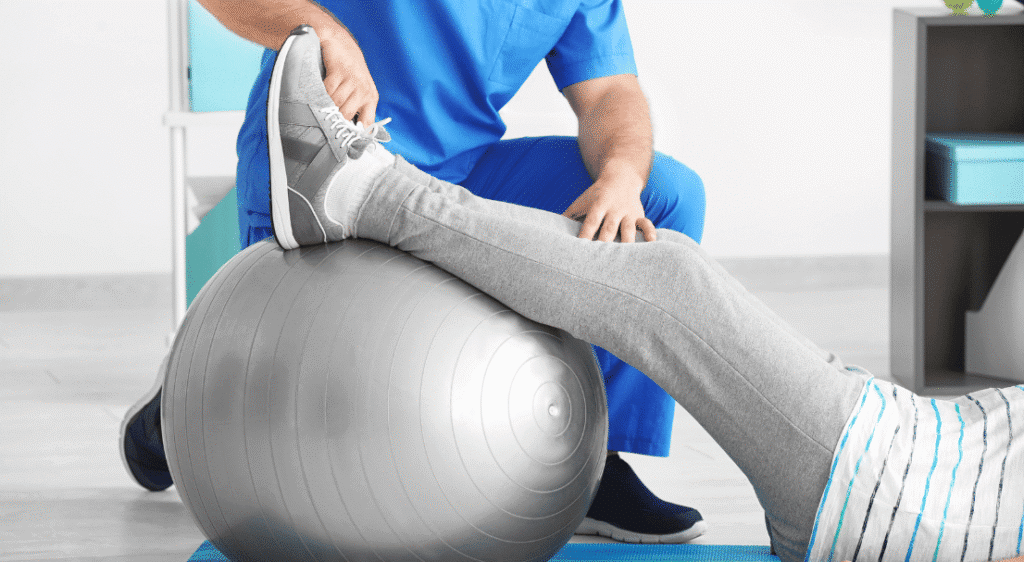
Physiotherapy is often one of the first treatment options recommended for knee osteoarthritis and chronic knee pain. The goal is to reduce pain, improve joint movement, strengthen supporting muscles, and help patients remain active.
Treatment may include therapeutic exercises, manual therapy, muscle strengthening, stretching programs, gait training, balance exercises, and pain management techniques.
Strengthening the muscles around the knee can help reduce stress on the joint and improve overall function.
When Should You Seek Treatment?
Many people continue living with knee pain for months or even years before seeking professional help. Early treatment may help slow the progression of symptoms and improve quality of life.
You should consider a physiotherapy assessment if:
Knee pain persists for several weeks
Walking becomes uncomfortable
Stiffness affects daily activities
You have difficulty climbing stairs
The knee feels unstable or weak
Pain limits exercise or physical activity
Early intervention often helps patients stay active and maintain independence.
Managing Knee Osteoarthritis Without Surgery
Not every patient with osteoarthritis requires surgery. Many individuals achieve significant improvement through physiotherapy, lifestyle modifications, exercise programs, and pain management strategies.
A structured rehabilitation plan can help improve mobility, increase strength, and reduce the impact of symptoms on daily life.
For patients with advanced arthritis, physiotherapy may also help prepare for surgery and support recovery afterward.
Recovery and Long-Term Joint Health
Managing osteoarthritis is an ongoing process. Regular exercise, weight management, muscle strengthening, and maintaining joint mobility can help support long-term knee health.
Our physiotherapy team works closely with patients to develop practical strategies that can be incorporated into daily life for lasting benefits.
Book Knee Pain Physiotherapy in Whitefield
If knee pain or osteoarthritis is affecting your ability to move comfortably, professional treatment can help. Contact Ragav’s Brain and Spine to schedule an assessment for knee pain and osteoarthritis treatment in Whitefield, Bengaluru.
We provide physiotherapy and rehabilitation services for patients across Whitefield, Hoodi, Kadugodi, Pattandur Agrahara, and surrounding communities, helping them move with greater comfort and confidence.
Frequently Asked Questions (FAQs)
Knee osteoarthritis is a condition where the cartilage cushioning your knee joint gradually wears down, leading to pain, stiffness, and reduced mobility. Physiotherapy for knee osteoarthritis focuses on strengthening the muscles that support the joint, improving flexibility, and reducing pain through targeted exercises and manual therapy, helping you move more comfortably without relying solely on medication.
Early signs include stiffness in the morning or after sitting for long periods, a grinding or clicking sensation when moving the knee, swelling after activity, and pain that worsens with stairs or prolonged standing. If these symptoms are becoming more frequent, a physiotherapy assessment can help slow progression and manage pain before it worsens.
For many patients with mild to moderate knee osteoarthritis, physiotherapy can meaningfully reduce pain and improve function, which may delay or in some cases avoid the need for knee replacement surgery. Surgery is typically considered only when conservative treatment, including physiotherapy, no longer provides adequate relief and joint damage is advanced.
Most patients begin noticing improvement within 4 to 6 sessions, though this depends on the severity of your condition and how consistently exercises are followed. We offer both clinic-based and home physiotherapy for knee pain and osteoarthritis across Whitefield, Hoodi, Kadugodi, Brookefield, and nearby areas, which is especially helpful for elderly patients who find travel difficult.
Yes, physiotherapy is generally very safe for older adults and is specifically tailored to your current mobility level, pain tolerance, and any other health conditions. Exercises are introduced gradually and adjusted as you progress, so treatment is designed to build strength and confidence rather than cause strain or discomfort.