Therapeutic Exercise and Resistance Training in Whitefield, Bengaluru
Build Strength Safely With Physiotherapist Guidance
Movement is an important part of recovery from injury, surgery, neurological conditions, and chronic pain. Therapeutic exercise uses structured, clinically guided exercises to improve strength, flexibility, balance, endurance, and overall physical function. At Ragav’s Brain and Spine, we provide therapeutic exercise and resistance training in Whitefield, Bengaluru as part of our physiotherapy and rehabilitation programs.
In short, therapeutic exercise and resistance training is a physiotherapist-guided strengthening program that rebuilds muscle strength, stability, and function after injury, surgery, or a neurological condition. Unlike a general gym routine, it is specifically adapted to each patient’s diagnosis and recovery stage.
Using resistance bands, strengthening exercises, and progressive training techniques, our physiotherapists help patients regain physical function and return to daily activities with greater confidence.
We serve patients from Whitefield, Hoodi, Kadugodi, Pattandur Agrahara, and surrounding areas.
What Is Therapeutic Exercise?
Therapeutic exercise is a planned exercise program prescribed by a physiotherapist to address specific physical limitations or health conditions. Unlike general fitness workouts, these exercises are selected based on the patient’s symptoms, diagnosis, strength levels, and recovery goals.
The purpose is to improve movement, reduce pain, increase muscle strength, and support long-term recovery.
Therapeutic exercise is commonly used in neurological rehabilitation, musculoskeletal physiotherapy, post-surgical recovery, and sports injury rehabilitation.
What Is Resistance Training?
Resistance training involves exercises that make muscles work against a controlled force. This force may come from resistance bands, body weight, therapy equipment, or other strengthening tools.
As muscles become stronger, patients often notice improvements in stability, mobility, posture, and functional performance.
The level of resistance is carefully adjusted based on the individual’s condition and stage of recovery.
Who Can Benefit from Therapeutic Exercise?
Therapeutic exercise programs are beneficial for individuals recovering from a wide range of conditions, including stroke, Parkinson’s disease, back pain, neck pain, osteoarthritis, sports injuries, post-surgical weakness, balance disorders, and neurological conditions.
Patients who have become less active due to pain or prolonged illness may also benefit from a supervised strengthening program.
How Does Resistance Training Help Recovery?
After an injury, surgery, or neurological event, muscles often become weaker due to reduced activity. Weak muscles can affect posture, balance, walking ability, and overall physical function.
Resistance training helps rebuild strength gradually and safely. It also supports joint stability and can improve the body’s ability to perform daily activities such as climbing stairs, standing from a chair, carrying objects, and walking longer distances.
For neurological patients, strengthening exercises are often combined with gait training and balance rehabilitation.
What Happens During a Session?
The program begins with a physiotherapy assessment to evaluate strength, mobility, flexibility, balance, and movement patterns. Based on the findings, a personalized exercise plan is created.
Assessments and exercise progression are overseen by Dr Lakhi, the clinic’s neuro physiotherapist, ensuring each program is adjusted safely as strength and function improve.
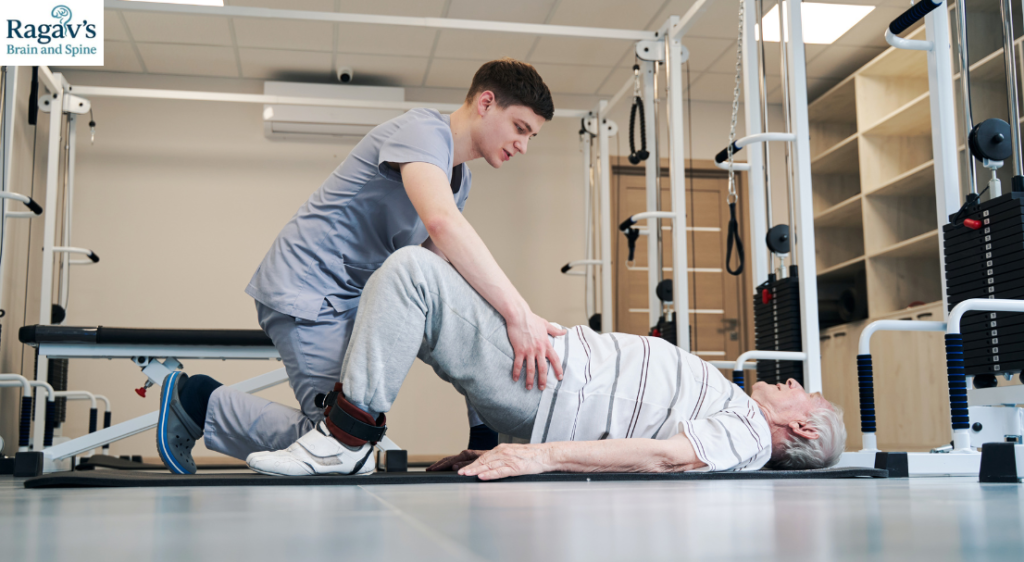
Treatment may include resistance band exercises, core strengthening, balance training, posture correction, mobility exercises, and functional movement training. The exercises are progressed gradually as the patient’s strength and endurance improve.
Regular monitoring helps ensure the exercises remain safe, effective, and aligned with recovery goals.
Why Supervised Exercise Matters
Many people stop exercising because of pain, fear of injury, or uncertainty about which exercises are appropriate. A supervised therapeutic exercise program provides guidance and support while reducing the risk of performing exercises incorrectly.
Proper technique and progression are important for achieving results and avoiding unnecessary strain on muscles and joints.
Building Strength for Long-Term Health
Strength is important not only for recovery but also for maintaining independence and preventing future injuries. Regular therapeutic exercise can help improve mobility, physical performance, and overall quality of life.
Whether your goal is to recover from an injury, manage a neurological condition, or improve physical function, a structured exercise program can play an important role in achieving lasting results.
Frequently Asked Questions
What is the difference between therapeutic exercise and a normal gym workout?
Therapeutic exercise is prescribed by a physiotherapist based on a specific diagnosis, current strength level, and recovery stage, unlike a general gym workout, which is not adapted to an individual medical condition. This targeted approach reduces the risk of aggravating an injury while rebuilding function safely.
Is resistance training safe after a stroke or surgery?
Yes, when supervised and appropriately adjusted for the individual’s recovery stage. Resistance training after a stroke or surgery is generally introduced gradually, with load and intensity increased carefully as strength and stability improve.
How soon can I start therapeutic exercise after an injury?
This depends on the specific injury and its severity, but many patients begin some form of guided movement early in recovery, well before returning to more demanding strengthening exercises later in the program.
Do I need special equipment for resistance training at home?
Not necessarily. Many resistance training programs use simple tools such as resistance bands or body weight, which can be used effectively at home once a physiotherapist has set up the right program and technique.
How long before I notice improvement from a therapeutic exercise program?
This varies based on the condition being treated and how consistently the program is followed, but many patients notice meaningful improvements in strength and function within several weeks of a properly structured plan.
Book Therapeutic Exercise and Resistance Training in Whitefield
If weakness, pain, reduced mobility, or recovery from a medical condition is limiting your daily activities, a physiotherapist in Whitefield can help. Contact Ragav’s Brain and Spine to schedule an assessment for therapeutic exercise and resistance training in Whitefield, Bengaluru.
We provide physiotherapy, neurophysiotherapy, stroke rehabilitation, sports injury rehabilitation, and strength training programs for patients across Whitefield, Hoodi, Kadugodi, Pattandur Agrahara, and nearby communities.